How Dorshorst Auctions Turns a Full House Into One Online Sale
Dorshorst Auctions in Deerfield, Wisconsin runs online estate, antique and farm auctions. What it handles, how a sale works and what to ask any auctioneer.
Client spotlight. Dorshorst Auctions is a ROEM Digital client. ROEM wrote this post to feature their business, and every link to an outside site is marked sponsored.
Short answer: Dorshorst Auctions is a Deerfield, Wisconsin auction house run by Marv Dorshorst, a Registered Wisconsin Auctioneer with more than 35 years of estate, household, antique and farm sales. Every lot is numbered, described and photographed, and all bidding runs online. Sellers start with a conversation that has no charge and no obligation.
A Deerfield auction house with bidders well beyond Dane County
Dorshorst Auctions is a full service auction house in downtown Deerfield, about 15 minutes east of Madison. It's run by Marv Dorshorst, Registered Wisconsin Auctioneer #344, who has more than 35 years of estate, household, antique and farm auctions behind him. Experienced auction staff work alongside him to keep sales running properly.
All bidding happens online through HiBid. What changes is where the goods sit: some sales run from the climate controlled auction building at 113 N Main St. in Deerfield, and others run on site at the estate when the property is too large or too fragile to move. Either way, a Wisconsin estate reaches collectors well beyond Dane County. As of November 2026, the About page counts 70 completed sales and more than 31,000 lots listed.
ROEM Digital built and manages the Dorshorst Auctions website.
Who calls Dorshorst Auctions
- Families settling an estate who want a house cleared on one schedule instead of months of listings.
- People downsizing who would rather sell a houseful at once than one item at a time.
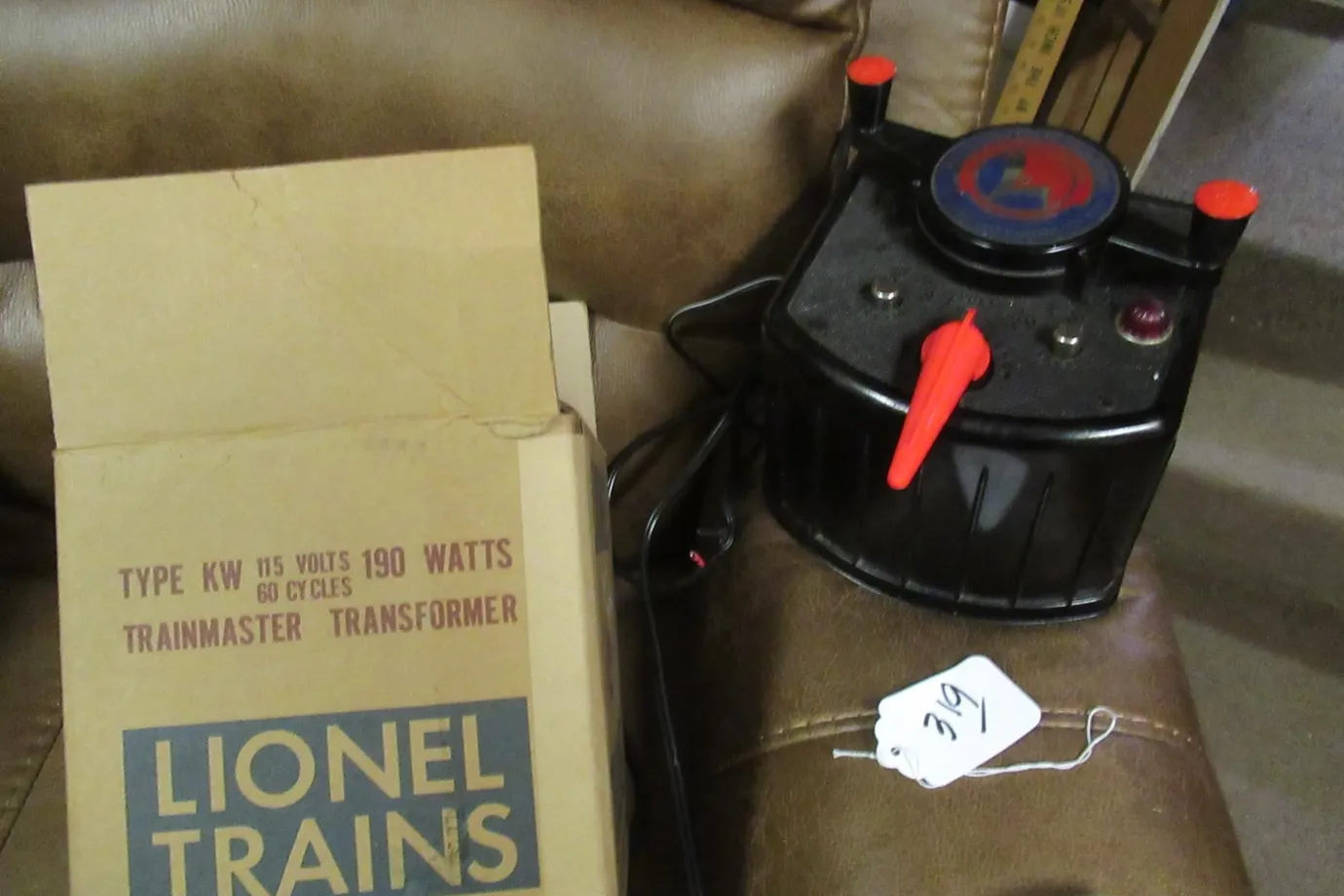
- Owners of a single collection. Individual pieces and collections are consigned into sales regularly, especially trains, coins, farm toys, tools and instruments.
- Farm households with farm household items and tools to sell.
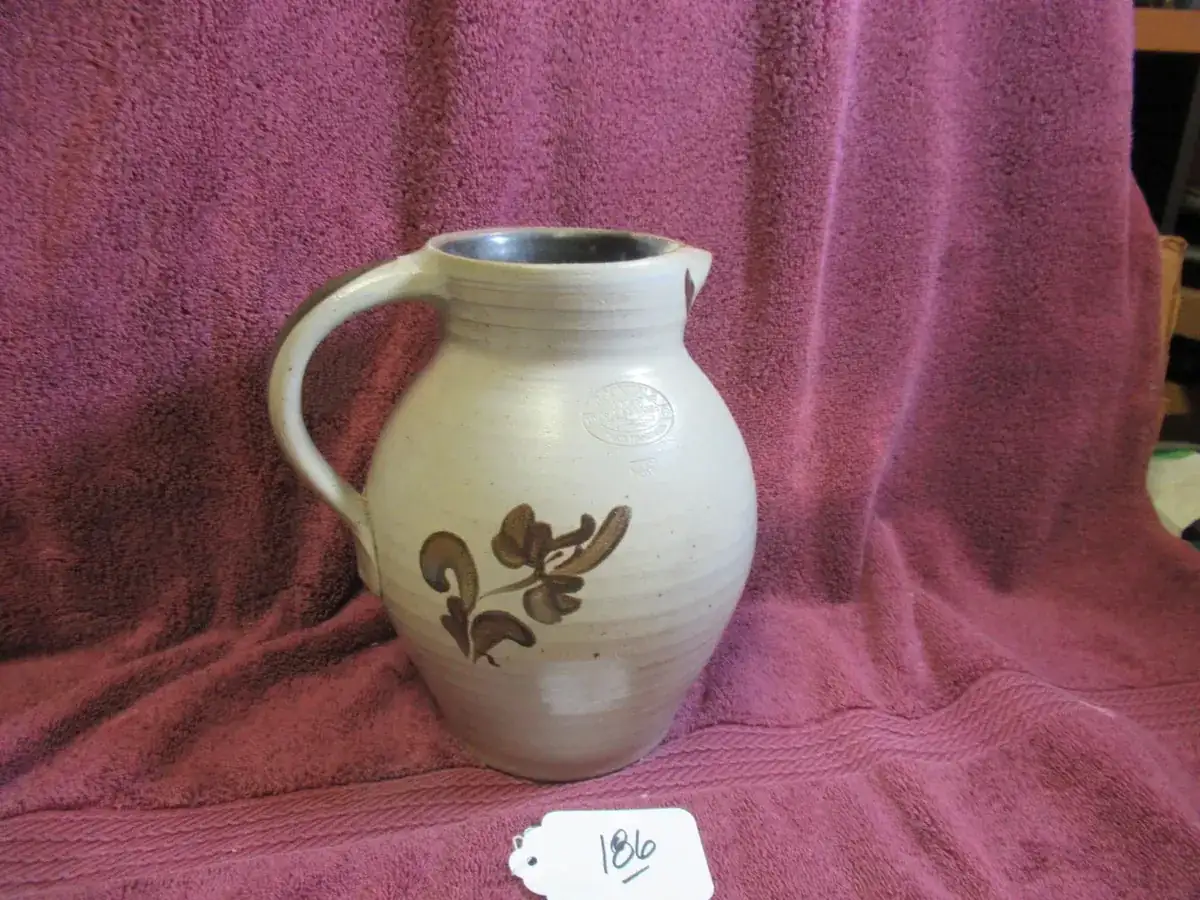
- Bidders and collectors hunting model trains, coins, Wisconsin pottery, advertising, signed Wisconsin prints and tools both cordless and century old.
The first piece of advice on the Sell With Us page is simple: “Do not throw anything away until we have looked at it.” The items people assume are worthless are often the ones that draw the most attention. And if an auction isn't the right route for something, the site says Marv will tell you that instead of taking it.
How a sale works, from first call to settlement
- A conversation about what you have, where it is and your timeline. There is no charge and no obligation.
- A walkthrough of everything before anything gets discarded.
- Cataloging and photography. Every lot is numbered, described and photographed. Categories with real collector followings are cataloged lot by lot, so a farm toy collection is sorted by brand and series rather than dumped into one box lot.
- The online sale. Bidding is open for roughly a week and ends on a soft close, so a lot stays open as long as bids keep coming. Buyers pick up in Deerfield during a posted window, and small lots ship.
- Settlement. Computerized bidder registration and cashiering, and a clear accounting of what sold and for how much.
Commission is set at the consultation rather than off a rate card, and you have the terms in hand before you commit. Most sellers are settled in weeks rather than months. Dorshorst runs roughly seven sales a year, so if you're working against a closing date, call early. Between sales is when the walkthroughs and cataloging for the next one happen.
What to ask any auctioneer before you sign
Hiring an auctioneer tends to happen during a busy stretch: settling a parent's estate, downsizing or clearing out a farm household, often against a closing date. These questions work with any auctioneer, wherever you are.
In Wisconsin, some of the answers are set by law. No one may act as an auctioneer without registering with the state, under Wis. Stat. 480.08. The state's auctioneer rules also require a written contract with each owner or consignor before the auction, covering the services, what they cost, whether bidders pay a buyer's fee and the sale dates, under Wis. Admin. Code SPS 124.02. Other states set their own rules. This is general information, not legal advice.
| Ask | Why it matters | Dorshorst's answer |
|---|---|---|
| Are you registered with the state? | Wisconsin requires registration to act as an auctioneer. | Registered Wisconsin Auctioneer #344 |
| How is your commission set, and when do I see the terms? | You should have the terms in writing before you commit. | Set at the consultation, with the terms in hand before you commit |
| Where does the sale run, and where do buyers pick up? | It decides whether your goods have to move. | From the Deerfield building or on site at the estate, with pickup during a posted window |
| How will my items be described and photographed? | Online bidders judge from the listing alone. | Every lot numbered, described and photographed |
| What happens to items that don't sell or aren't collected? | Leftovers are the part sellers forget to plan for. | Discussed at the consultation, so you know the plan before the sale |
| What do buyers pay on top of their bid? | Bidders weigh the total they'll pay, not just the bid. | No buyer's premium. A 4% transaction fee applies to credit card payments, and Wisconsin sales tax of 5.5% applies where required |
| How will I know what sold? | You should see every lot and every result. | A clear accounting of what sold and for how much |
How to get started with Dorshorst Auctions
If you're selling, use the form on the Sell With Us page or the contact page. Dorshorst follows up to arrange a walkthrough and travels throughout Dane, Jefferson and the surrounding counties for consultations, from Madison, Sun Prairie and Stoughton to Lake Mills, Watertown and Fort Atkinson.
If you're bidding, you'll need a free HiBid account, and you register for each sale before you bid in it. Everything sells as is, where is, so read each lot and look at every photo. Previews are by appointment. Between sales, the past auctions page shows what recent catalogs included.
Frequently asked questions
Where is Dorshorst Auctions located?
Dorshorst Auctions is at 113 N Main St. in downtown Deerfield, Wisconsin, about 15 minutes east of Madison. Some sales run from its climate controlled auction building there, and others run on site at the estate, with all bidding online.
Does Dorshorst Auctions charge a buyer's premium?
No. The site's terms say there is no buyer's premium. A 4% transaction fee applies to credit card payments, and Wisconsin sales tax of 5.5% applies where required.
Will Dorshorst Auctions take a single collection instead of a whole estate?
Yes. Full estates are the most common, but individual pieces and single collections are consigned into sales regularly, especially trains, coins, farm toys, tools and instruments.
How long does it take to sell an estate at auction?
Dorshorst says most sellers are settled in weeks rather than months. The sale date is set after the walkthrough, cataloging is the longest step on a large estate, and bidding runs for roughly a week.
Client spotlights feature businesses that ROEM Digital works with. They are labeled at the top, and their links are marked sponsored.