How We Turn First Visits Into Regular Clients Without a Hard Sell
A spa owner's playbook for repeat clients: diagnose before you treat, say not yet when it's right, give a return rhythm and keep every promise simple.

By Tiffany Witter, Owner and Licensed Esthetician, Haven Noire.
Edited by ROEM Digital.
Disclosure. Haven Noire is a ROEM Digital client, and ROEM helped prepare this post.
Short answer: Regular clients come from how each visit runs, not from a pitch at checkout. At my spa, every facial starts with a skin analysis, some services wait until a client is ready, everyone leaves with a reason and a rhythm to return, and the ways to commit are written in plain words.
Why the first visit decides whether a client comes back
I'm a licensed esthetician, and I own Haven Noire, a boutique spa in downtown Kissimmee, Florida. We do facials, corrective skincare and waxing, one client at a time, in a private room.
Skin care rewards consistency. One facial feels wonderful, but the changes most clients come in for, like clearer skin or a more even tone, take a series of visits. So my business doesn't really run on first appointments. It runs on the second, the fifth and the twentieth.
I also don't believe in pressure. We promise our clients honest advice with no upsells, so whatever brings someone back has to come from the visit itself. Here's how we set that up. None of it needs special software, and most of it works for any appointment business: salons, barbers, massage therapists, personal trainers and pet groomers.
Diagnose before you treat
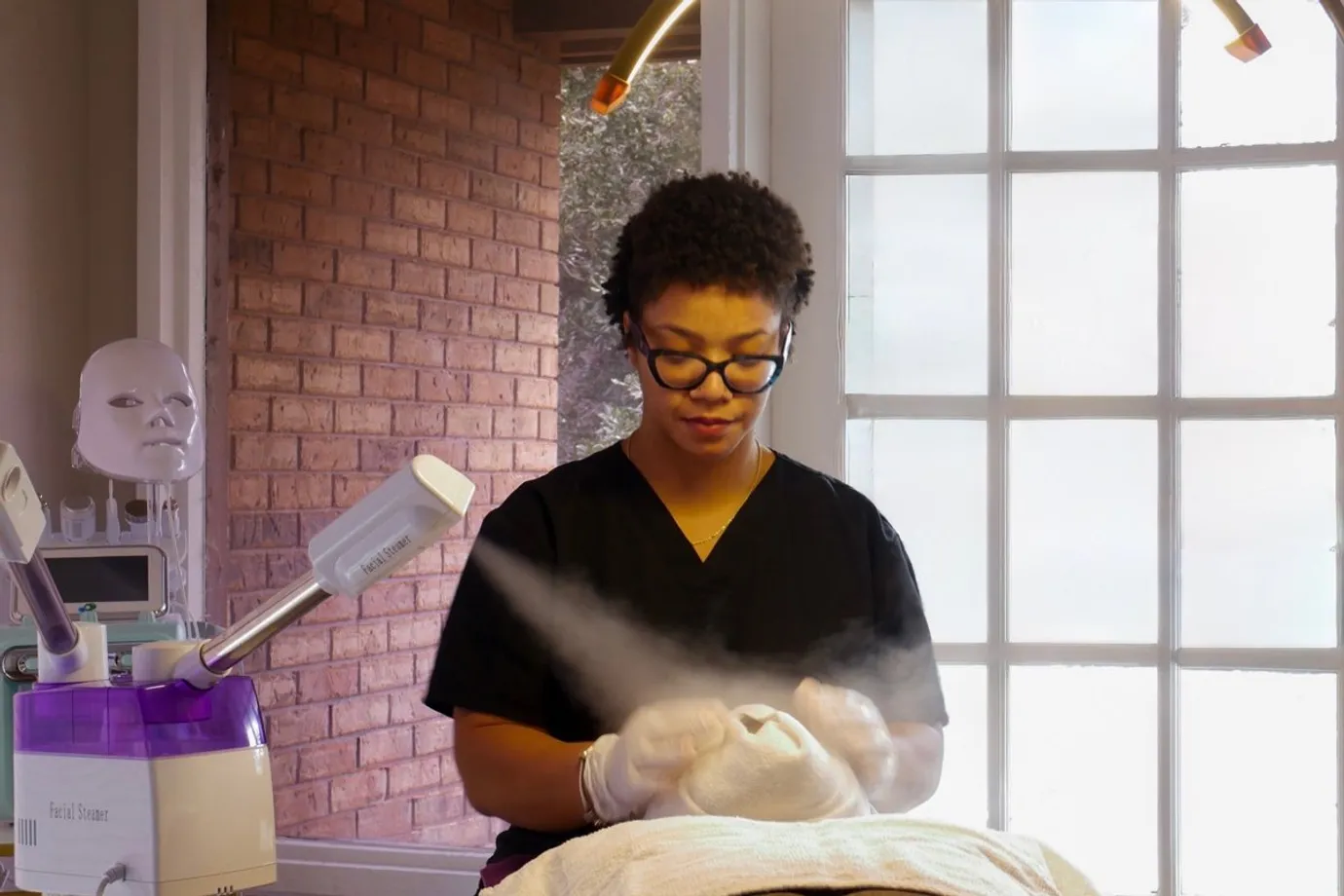
Every facial we do starts with a professional skin analysis. We talk through the client's skin and goals, cleanse, and look closely before we choose a single product. It isn't a separate appointment. It's built into every facial, including the very first one.
We ask first-time facial clients to arrive five to ten minutes early, so that conversation happens before the treatment starts instead of on the table with a mask on.
A diagnosis changes the whole visit. The client isn't picking from a menu and hoping. They hear what I see, what I'd do about it and why. That's the start of a plan, and a plan is what brings people back.
How to borrow this
- Build a short intake into every first appointment. Five minutes is enough: what does the client want, and what have they already tried?
- Say what you found, out loud. Clients can't value expertise they never hear.
- Connect it to a next step. End the visit with what you'd do next time and why, even if they don't book it today.
Be willing to say not yet
Some of our services aren't first-visit services. Chemical peels are the clearest example. Every peel needs a skin consultation first, and we don't offer peels to new clients on their first visit, so the peel can be matched to the person's skin. For deeper skin tones, we lean toward gentle, mandelic-based options.
On paper, that turns away a sale. I see it the other way. When a client hears "not yet, here's what we'll do first," they know we're working for their skin, not for the register. That trust is worth more than one appointment.
Most businesses have a version of this: the job that shouldn't come first. A painter who won't paint over peeling, unprepared siding. A trainer who checks form before adding weight. If you have one, make it a written rule. Put it on your website and in your booking flow, and give the reason in one sentence, so nobody feels brushed off.
Give every client a rhythm, with a reason
The most useful thing we tell a client usually isn't about a product. It's when to come back. For most skin, we recommend a facial about every four weeks, to match the skin's natural renewal cycle. Active concerns, like breakouts, may need a shorter series to start, and we set that cadence during the visit, based on what we see.
A rhythm with a reason works better than "see you soon." It gives the client a date to plan around and an explanation they can repeat to themselves when life gets busy.
We also treat every visit as one step in a plan. We build the plan around the client's concerns and adjust it as their skin changes, so each appointment has a job to do. For our corrective members, that means a progress check at every visit.
How to borrow this
- Find the honest interval for your service. A haircut, a lawn treatment and a facial each have one. Use the real number, not the one that suits your calendar.
- Tie it to something the client can see or feel, such as regrowth, a change of season or a result that starts to fade.
- Offer the next booking while the reason is fresh, before the client walks out the door.
Send them home with a routine, not a shopping list
Our facials finish with serums, moisturizer and SPF chosen for that day's skin, and clients leave with home-care advice to keep their progress going between visits. A client who looks after their skin at home comes back with something to compare, and the next visit picks up where the last one left off.
The trap is turning aftercare into a sales pitch. A routine is advice first. Recommend what the client actually needs, explain how to use it, and be comfortable when they say they'll keep using what they already have. We would rather a client trust our advice than feel pushed into buying something they don't need.
Nearly every service has a between-visits version: care instructions after a tattoo, a stretching plan from a physical therapist, a watering schedule from a landscaper. Write yours down once and hand it over every time.
Offer more than one way to commit
Clients don't all want the same kind of commitment, so we offer a few: single visits, three-session packages for people who like to prepay, and monthly memberships, which can also be paid once a year.
We added memberships this fall and built them around the visits our clients already need. A facial membership covers one facial a month, and our waxing membership covers unlimited Brazilian waxes for clients who wax often. We didn't invent a new product. We gave the monthly rhythm we already recommend a simpler form.
Two details make it easier to say yes. An unused facial visit rolls over to the next month, so a busy month doesn't feel wasted. And the terms fit in a short list on one page: a three-month minimum, then month to month, with 30 days' notice to cancel or pause.
Before you launch a membership
- Compare it with everything else you sell. Check the monthly price against a single visit and against your packages, and only promise savings where the numbers hold up. If the membership's real strength is convenience, sell it on convenience.
- Write the terms in plain words on the page the client reads before joining: the minimum, the notice period, and what rolls over and what doesn't.
- Read the checkout your customer actually sees. Payment tools add their own wording about canceling and renewals, so make sure it matches what your website says.
- Keep the old options. Some clients will always prefer to pay per visit or prepay a package, and that's fine.
Protect the appointment for everyone
Every service at our spa is one-on-one, so a late start eats into the client's own time. Our policy says it plainly: arrivals more than 15 minutes late reschedule, so every guest gets the full time they booked. We also ask clients not to bring guests who aren't receiving a service, which keeps the space calm for everyone.
Rules like these can sound strict, but clear policies are part of a good experience. A client who knows exactly what to expect can relax, and a relaxed client is far more likely to come back.
A checklist you can start this week
- Add a short intake to every first appointment, and tell the client what you found.
- Pick one service that shouldn't come first, and write down the rule and the reason.
- Work out the honest return interval for your main service, and say it at the end of every visit.
- Write a one-page between-visits routine for your most common service.
- List every way a client can commit to you, and check each promise of savings against the others.
- Read your booking and payment pages as a customer would, and fix anything that doesn't match your policies.
None of this is a sales script. It's the visit done well, explained clearly, with an honest reason to come back. In my experience, that's the part clients remember.
Frequently asked questions
How do you get clients to rebook without being pushy?
Give them a reason and a rhythm instead of a pitch. Tell them what you found, what the next visit would do and the honest interval for your service, then offer to book it. If the advice is good, the client can see the value without being sold to.
Should a small service business offer a membership?
It can work well when clients already return on a steady schedule. Build it around that habit, keep single visits and packages available, compare the membership against your other options, and write the terms on one page before anyone signs up.
Is it bad for business to turn down a service a new client asks for?
Not when there is a real reason. Saying not yet, and explaining what should come first, shows the client you are working for their result. Make it a written rule so it is applied the same way every time, and give the reason in one sentence.
How often should clients come back to a service business?
It depends on the service. Use the interval the work actually needs, such as about every four weeks for most facials, and tie it to something the client can see or feel rather than to your own schedule.
Guest posts share the author's own experience and views. ROEM Digital edits them for clarity and accuracy.