Thousands of Auction Lots Taught Me How to Describe What You Sell
An auctioneer's rules for describing things a buyer can't touch: lead with what decides the price, show the flaws and settle the terms before anyone buys.
Disclosure. Dorshorst Auctions is a ROEM Digital client, and ROEM helped prepare this post.
Short answer: When a buyer can't pick up what you sell, your words and photos have to answer every question their hands would. Put the details that decide the price in the first line, photograph the proof and the flaws, and settle the terms before anyone commits.
When nobody can pick it up, the listing does the inspecting
I've run auctions out of Deerfield, Wisconsin, for more than 35 years, and today all of our bidding happens online. Some sales run from our building on Main Street and some from the estate where the goods already sit. Either way, the person bidding is usually looking at a screen, not standing at a table. Since 2020, our sales list on HiBid counts 70 auctions and more than 31,000 lots, and nearly every one of those lots was judged on what we wrote and photographed.
That changes the job. In person, a buyer turns a crock over to find the maker's mark, pulls out a drawer and checks whether the key is in the lock. Online, they can't do any of that. The listing has to do it for them.
You don't need to run an auction for this to matter. If you sell used equipment, run an online shop, list property or show finished work in photos, your customer is making the same decision from the same distance. Here's how we write for that buyer, and what I'd pass on to any owner who sells things people can't hold first.
Give every item one number, and put the number in the photo
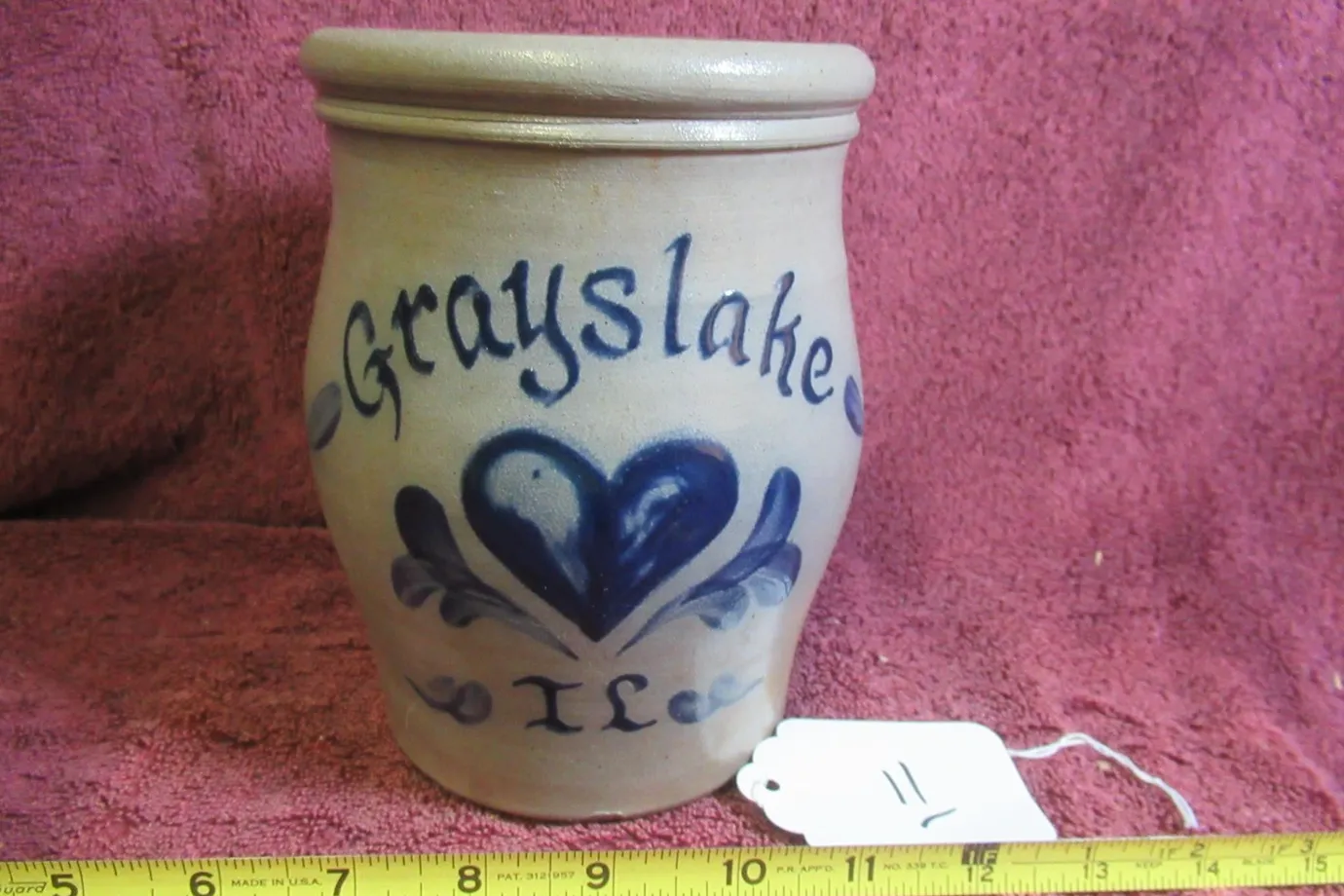
Every lot in our catalog gets a number. That number goes on a handwritten paper tag, and the tag sits in the picture next to the item. We photograph in lot order, so the pictures come off the camera in the same order as the catalog.
It sounds fussy. It's the cheapest insurance I know. A big sale produces hundreds of photos, and once they're on a computer a lot of them look alike: gray crocks, brown furniture, black power tools. The tag in the frame means anyone can match a picture to the right listing, even months later. Without it, one mix-up puts the wrong photo on the wrong lot, and somebody wins an item they never saw.
The same idea works in any business. Give each item, job or order a single ID, and make that ID show up on everything that describes it, from the photo to the invoice.
Decide what deserves its own listing
Numbering also forces a decision about what gets a number of its own. Small mixed goods go together as a box lot. Things with a collector following don't. A shelf of farm toys gets sorted by brand and series instead of going into one box, because the person filling a gap in a collection is hunting one specific piece, and a box lot hides it.
Ask the same question about whatever you sell: which items do buyers look for by name? Those deserve their own listing, their own photos and their own title. Everything else can be bundled.
Lead with the details your buyer judges by
Every kind of buyer checks a few things first. Our catalog titles put those things up front, in the order the buyer looks for them:
- Model trains: scale or gauge, maker, road name and whether the box is there. A collector who reads “HO scale Walthers kits, new in box” knows in one line whether to keep reading.
- Coins: date, mint mark and grade where it applies, so a 1928-S Peace silver dollar is listed as exactly that.
- Instruments and audio: brand, model and condition, like a Martin “X” Series dreadnought or a Yamaha receiver listed with its remote.
- Trunks, furniture and art: measurements, plus whether a print is signed and numbered. Our trunk listings give width, depth and height, and say whether the key comes with it.
Measurements matter more than most sellers think. A buyer can fall for a cupboard that won't fit through their door. So the size goes in the title, and on smaller pieces we often lay a tape measure right in the shot. The tape answers the question at a glance, and it backs up the number.
To do this with your own products, write down the three or four questions your best customers ask before they buy. Those answers go in the first line, in the words customers use. The story behind the item can come later in the listing.
Say what's wrong before the buyer finds it
Everything we sell goes as is, where is, with no warranty. Some sellers would read that as permission to say less. I read it the other way. With no warranty to fall back on, the description is what the buyer is relying on, so it has to be straight with them.
So our catalog lines name the problem in plain words. A box of Lionel cars says the switcher is not running. A trunk says “no key.” A box of ceramic figures notes a repair on one and some damage on another. An ice fishing finder says the battery needs charging and it wasn't tested.
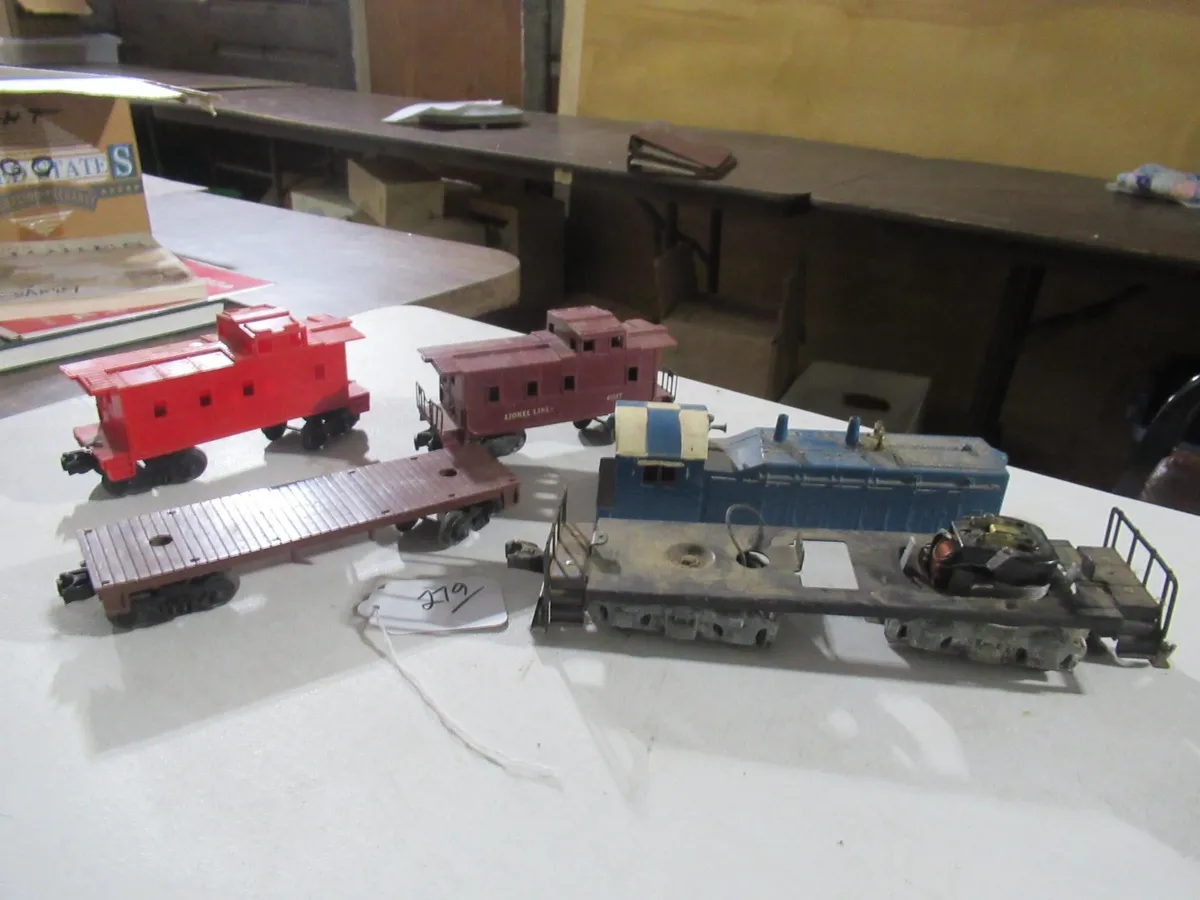
Pick three plain labels and use them every time: works when you've tested it, not tested when you haven't, and not working when you know it isn't. Leaving the label off makes the buyer guess, and a guess is where most after-sale arguments start.
Being plain about flaws doesn't scare off good buyers. It tells them the rest of the description can be trusted. A collector who sees a repair called out on one lot is more likely to believe you when the next lot says good condition.
Photograph the proof, not just the front
A front view shows what something is. The pictures that help a bidder decide show why it's worth bidding on: the maker's mark, the signature, the label, the serial plate, the inside of the box.
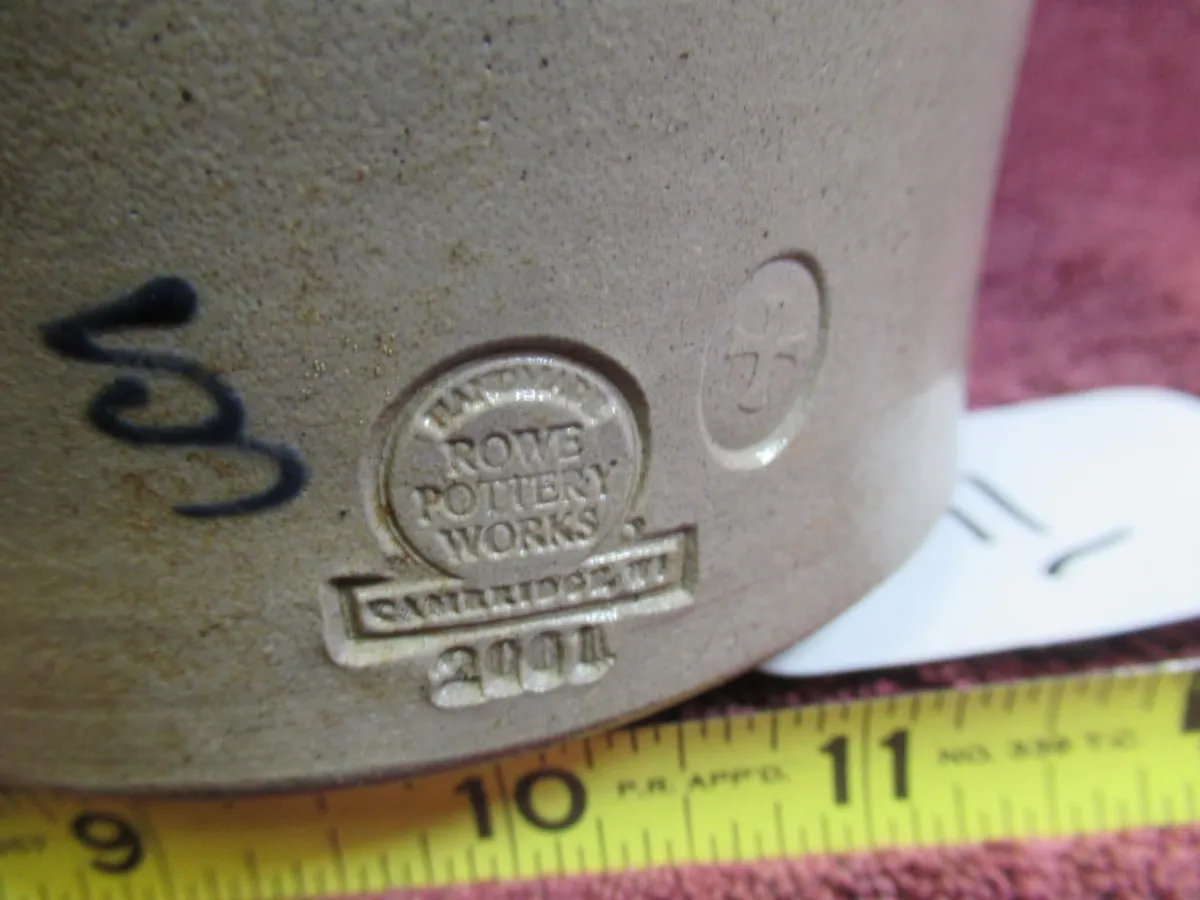
When one picture can't answer the questions, we take more. A Martin guitar in our August 2026 sale had five photos: the front, the side, the back, the headstock and the label inside the soundhole. A cherry secretary desk was shot closed and again with the drop front open, so bidders could see the cubbies inside.
A simple rule for your own listings: one photo for what it is, one for the proof of what makes it valuable, one for anything wrong with it and one with something that shows its size. Add more only when a buyer would still have a question.
Keep the background plain and the same from item to item. Ours is a maroon cloth for most smaller pieces. Nobody remembers the cloth, and that's the point. The item is the only thing to look at.
Settle the questions before anyone commits
In our sales, every bid is a binding offer to buy. That makes it unfair to leave the important details until after the sale, so they're written into the terms before bidding opens: how payment works and when cards are charged, where and when to pick up, what can ship and what can't, and how sales tax applies.
Some buyers still want to see a piece in person, and that's fine. Previews are by appointment, and a bidder who calls with a question gets an answer before the close, while it can still change their bid.
Whatever you sell, put your terms where the decision happens, not behind a footer link nobody opens. A customer who is about to commit should be able to see what happens next without asking: when they pay, when and how they get it, and what happens if something isn't right.
A listing checklist you can use this week
| The buyer's question | Where the answer goes |
|---|---|
| What exactly is it? | The first line: maker, model, size or scale, and the year if you know it |
| Is it the real thing? | A close photo of the mark, label, signature or serial number |
| What's wrong with it? | Plain words in the description, plus a photo of the flaw |
| Does it work? | One of three labels: works, not tested or not working |
| Will it fit? | Measurements in the text and something for scale in a photo |
| Is everything there? | A list of what's included: box, key, remote, charger or manual |
| What happens after I buy? | Payment, pickup and delivery terms, in writing before they commit |
None of this takes special equipment. It takes a tag, a tape measure, a plain background and the habit of writing down what you'd want to know if you were buying from a photo. Do it for every item, every time, and buyers who have never met you will start to trust what your listings say.
Frequently asked questions
What should a good product listing include?
Start with the details buyers judge by, such as maker, model, size and condition, in the first line. Add clear photos of the whole item, the maker's mark or label, any flaw and something that shows scale. Finish with what is included and what happens after the sale.
Should you mention flaws when selling something online?
Yes. Name the flaw in plain words and photograph it. A buyer who can't inspect an item relies on the description, and a listing that admits a repair or a missing key makes everything else in it more believable.
How many photos does a listing need?
Enough to answer the buyer's questions. A simple item may need one. A valuable one usually needs the front, proof of what it is, any flaw and something for scale, plus extra angles when one view can't show everything.
Why put an item number in the photo?
A visible number ties each photo to the right listing. When you photograph hundreds of similar items, it stops a picture from landing on the wrong product and lets anyone check the match later.
Guest posts share the author's own experience and views. ROEM Digital edits them for clarity and accuracy.